
Lifestyle
The Benefits of Mindfulness Exercises
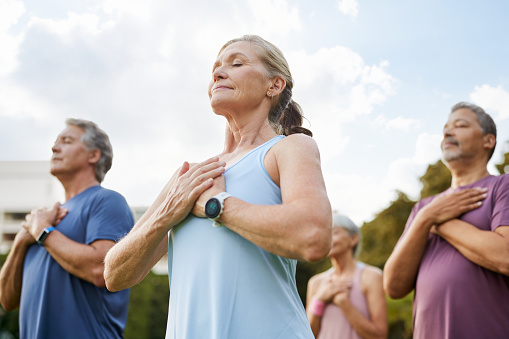
Mindfulness exercises offer meaningful benefits for seniors by helping them stay present, calm, and more connected to their daily experiences. Simple practices like focused breathing, gentle body awareness, or quiet reflection can reduce stress and promote a sense of inner peace. As people age, they often face changes in health, routine, or independence, and mindfulness…
Read MoreDiet Tips for Cancer Prevention

As an older adult, following a cancer-prevention diet involves not just what you eat, but also how you eat to support overall health, digestion, and nutrient absorption. Emphasizing plant-based foods—like vegetables, fruits, legumes, and whole grains—provides antioxidants, fiber, and vitamins that help protect cells from damage. Older adults should focus on variety and color in…
Read MoreIs it Time to Consider an eReader?

For many older adults who have enjoyed printed books for decades, transitioning to an eReader can feel like a big change. The key to a smooth adjustment is recognizing that eReaders are designed to make reading easier and more comfortable. Many devices allow readers to enlarge text, adjust brightness, and change font styles, making words…
Read MoreEarly Bird or Night Owl – How it Impacts Your Wellness
Some people naturally feel more alert and productive in the early morning, often referred to as “early birds.” Waking up earlier in the day can provide a quiet, distraction-free environment that many people find ideal for focus and productivity. Morning routines may support healthier habits such as consistent sleep schedules, exercise, and time for reflection…
Read MoreTips to Improve Longevity as We Age

For seniors looking to improve longevity, incorporating healthy habits into daily life can make a significant difference. Staying physically active is essential—even gentle exercises like walking, stretching, light strength training, or household chores help maintain cardiovascular health, muscle strength, and balance. Pairing movement with a balanced diet rich in fruits, vegetables, whole grains, lean proteins,…
Read MoreHow You Feel About Aging May Affect Your Health

How a person feels about aging can significantly influence their overall health and well-being. Individuals who view aging as a time of growth, wisdom, and new opportunities are more likely to engage in behaviors that support physical and mental health. A positive outlook can reduce stress, lower the risk of depression, and promote resilience when…
Read MoreThe Importance of Aerobic Exercise for Seniors

Aerobic exercise plays a vital role in helping older adults maintain overall health, independence, and quality of life. Activities such as walking, swimming, cycling, or low-impact aerobics strengthen the heart and lungs, improving circulation and oxygen delivery throughout the body. Regular aerobic movement can help lower blood pressure, manage cholesterol levels, and reduce the risk…
Read MoreFall Prevention Tips for Seniors

Falls are one of the most serious risks facing older adults, often leading to injuries that can significantly impact their independence and quality of life. Even a minor fall can result in fractures, head injuries, or bruises that may require hospitalization and long recovery times. Beyond physical harm, falls can also cause fear and anxiety,…
Read MoreTips for Boosting Your Health as You Age

Healthy aging involves more than just living longer—it’s about maintaining energy, independence, and overall well-being. Older adults can take many proactive steps to boost their health as they age, starting with regular physical activity. Exercise helps maintain muscle strength, balance, and flexibility, which reduces the risk of falls and supports heart health. Activities like walking, swimming,…
Read MoreCutting Down on Trips to the Bathroom

Frequent urination is a common concern among older adults and can significantly affect quality of life, especially when it interrupts sleep or limits daily activities. As people age, the bladder and urinary tract naturally undergo changes that can lead to increased trips to the bathroom. The bladder muscle may become less elastic and hold less…
Read More